

Ladder racks for heavy duty pickup trucks
4 December 2025
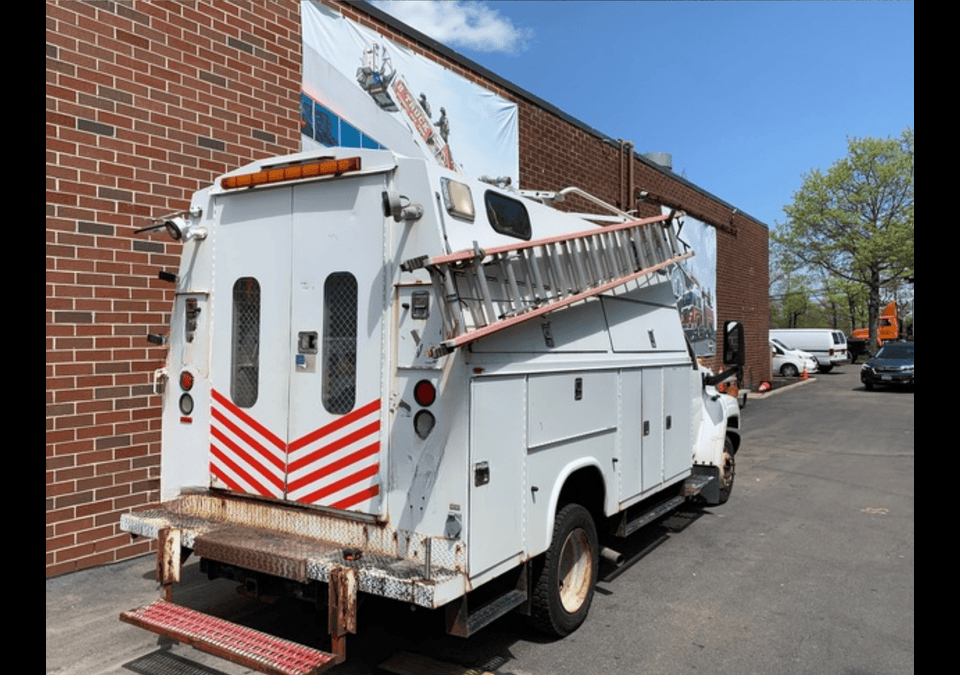
Ladder racks for Utility and Service Beds for Trucks
18 December 2025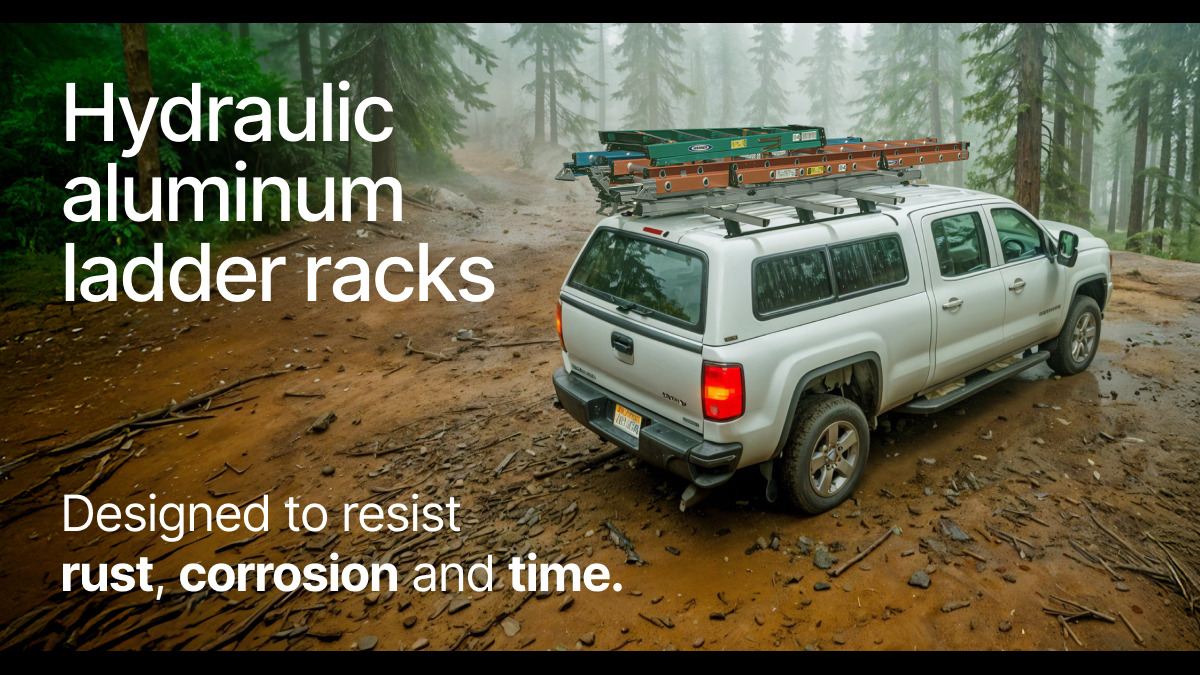
Why invest in an aluminium ladder rack?
Every operator who works with long ladders on vans, trucks, KUVs, or utility service bodies is aware that the roof is the only practical location for large ladders and that inside cargo capacity is never sufficient. The truck becomes more organized and productive when the ladder is moved from the covered cargo area to the roof, creating instant space for tools, supplies, and specialist equipment. However, this choice exposes the ladder rack to UV rays, rain, snow, and, in coastal or high-humidity regions, airborne salt, all of which persistently damage ferrous metals.
A normal painted steel rack begins its life looking sturdy and solid, but every contact between ladder and rack, every slight impact with a loading bay, tree branch or garage entry progressively chips away the superficial covering. Once bare steel is exposed, corrosion starts silently and spreads to welds, joints and fasteners, until the rack becomes difficult to operate and, finally, unsafe. The shift is not merely visual as rust progresses. Rust increases friction on moving parts and seizes pivot points, so technicians must apply more power to lift and lower the ladder, often working in uncomfortable postures that stress the shoulders and lower back.
The same rack that was supposed to be efficient turns becomes a source of risk, weariness, and inefficiency. The ladder rack can actually turn into a mass of rusted scrap metal with reduced structural integrity and faulty locking systems in a matter of years, depending on the climate and whether the vehicle spends nights indoors or outdoors. At that moment the fleet manager faces an uncomfortable choice: continuing using equipment that looks unprofessional and may be harmful, or invest again to replace a product that has already devoured its short usable life. This cycle can be very quick and costly for cars that are permanently left outside or in high-salt locations.
Purchasing an aluminum ladder rack disrupts this cycle by altering the nature of the material that is exposed to the weather. While stainless steel is made to survive corrosion in harsh settings, aluminum does not rust; instead, it creates a persistent protective oxide coating that resists moisture and salt. When anodized aluminum profiles are used in conjunction with stainless steel fasteners, a rack’s longevity is no longer dependent on a thin layer of paint that is prone to deterioration from regular use. The structural performance and visual appeal of coated steel do not deteriorate over time due to scratches and abrasions.
Because you prevent premature replacement, corrosion-related maintenance, and the indirect cost of operators struggling with stiff, degraded mechanisms, the total cost of ownership is lower even if the purchase cost is typically more than that of a standard ferrous rack.
When the equipment is heavy, long, or both, it is especially clear that ladders must be carried on the roof. As long as the technician can lift and secure the ladder with minimal effort, a simple solution may be sufficient for short aluminum ladders weighing less than twenty pounds. Because low vehicle height and minimal ladder weight reduce the risks associated with manual handling, a basic aluminum ladder rack or even a simple pair of crossbars may be adequate.
When the task requires extension ladders longer than twenty or twenty-four feet—which are frequently made of fiberglass to prevent electrical conductivity—the image completely changes. It takes a lot of physical effort to carry these ladders from the ground to the roof of a high truck or utility service body because they can weigh sixty, seventy, or even eighty pounds. Repeating this movement several times a day, perhaps in adverse weather or on uneven ground, exposes workers to considerable ergonomic risk, especially for shoulders and the lumbar spine. For this reason, the choice of an aluminum ladder rack must consider not only corrosion resistance but also ergonomics, weight capacity and compatibility with different vehicles and ladder types.
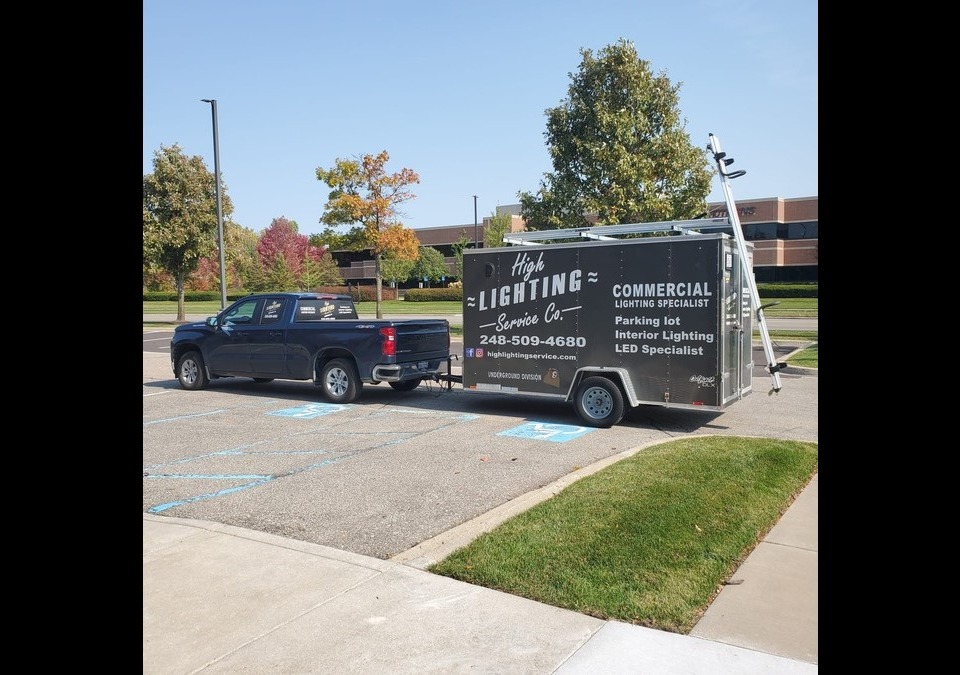
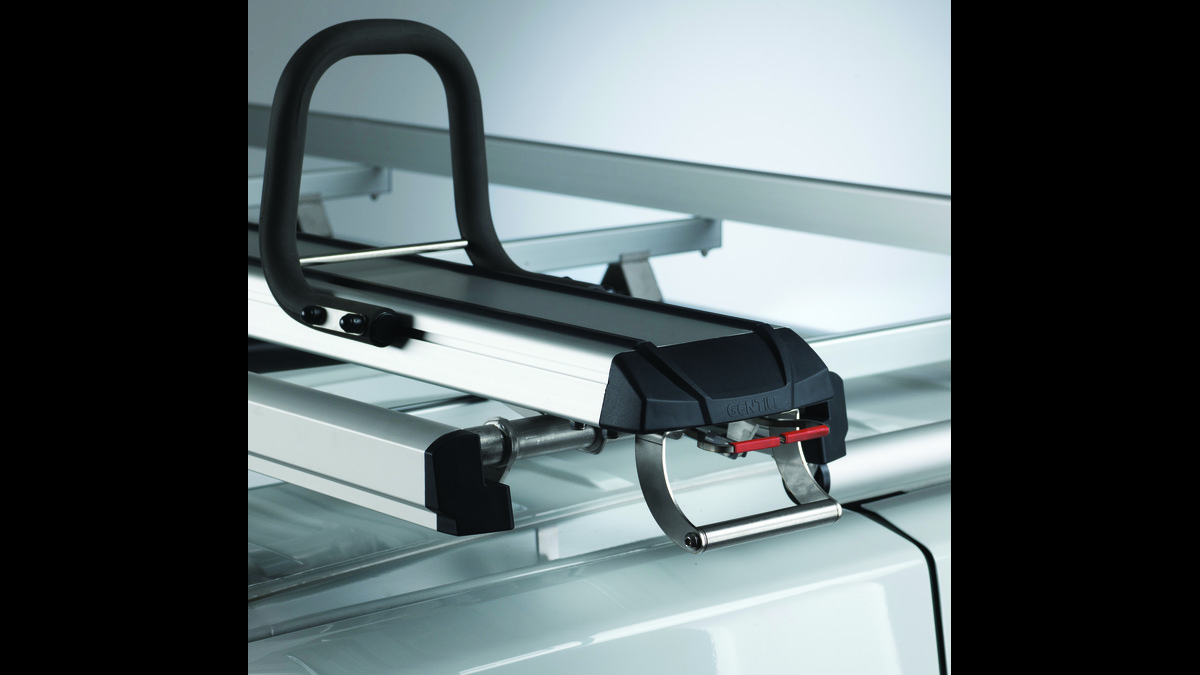
A well‑designed aluminium ladder rack for vans or an aluminium ladder rack for trucks should support both extension and step ladders, have a clear rated capacity in pounds and provide an operating geometry that keeps the centre of gravity low during loading and unloading. Hydraulic support becomes a crucial component as you progress from simple racks to more sophisticated systems. A hydraulic aluminium ladder rack for KUVs or an aluminium ladder rack for utility service bodies allows the operator to regulate the movement with minimal effort, so that even heavy fiberglass ladders may be hoisted and lowered gently without unexpected jerks or unstable postures. The outcome is higher safety, faster operations and less tiredness, which, over the course of a working day, transfers directly into productivity and fewer lost‑time problems.
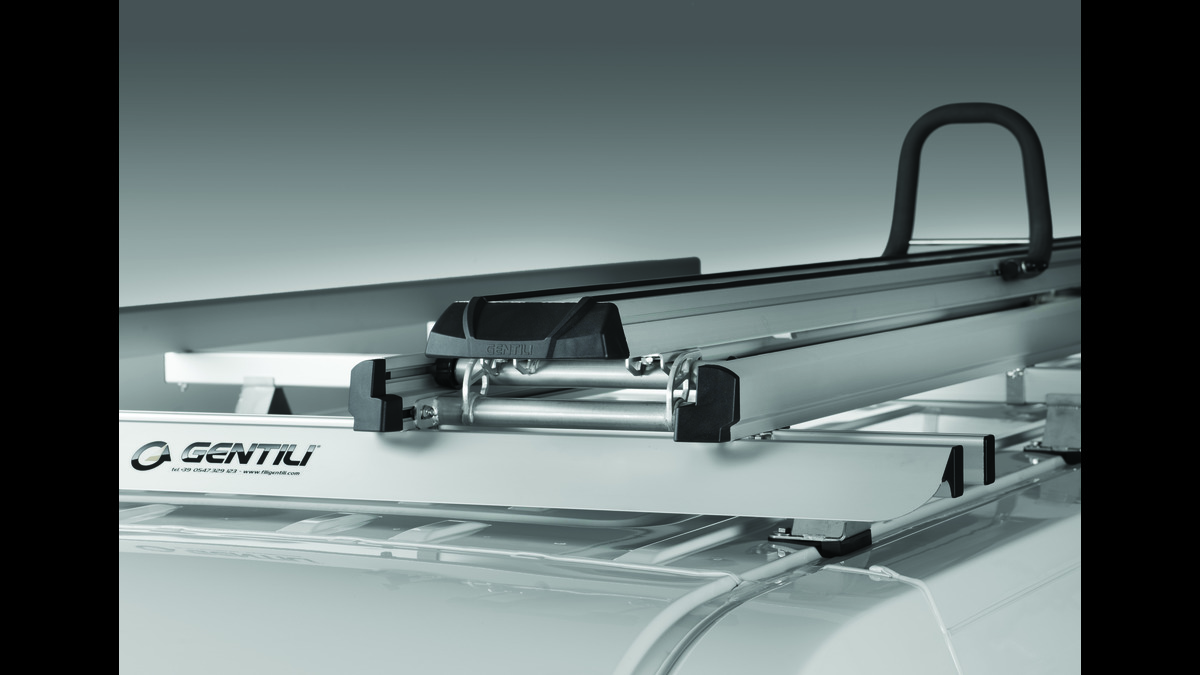
In this regard, ladder racks like the G2000 Harrier and G2000 Maxi offer an appealing solution to the requirements of independent professionals and demanding fleets. Because these systems have hydraulic support, the operator can handle long, heavy ladders with balanced, controlled motions. They are engineered to accommodate ladders up to forty‑four feet in length and weights up to one hundred and thirty‑two pounds, a capacity that comfortably fulfills the requirements of most trades that operate with large structures, telecommunications or overhead lines. The important thing is that this performance doesn’t come at the expense of weight or corrosion susceptibility because the structures are made completely of stainless steel and anodized aluminum, which removes the possibility of rust and maintains both functioning and look over time.
Making sure that every moving joint, sliding part, and locking point functions flawlessly year after year is more important than just preventing ugly orange streaks on white service vehicles. One of the best arguments for a high-quality aluminum ladder rack from an investment standpoint is its lengthy service life. A system like the G2000 Harrier or G2000 Maxi can easily last more than 10 years if it is utilized correctly in accordance with the manufacturer’s instructions and receives regular maintenance. Simple routine maintenance involves checking fasteners on a regular basis, lubricating moving parts with the right products, and replacing any worn parts right away.
These procedures are preventive rather than corrective because the foundation materials do not corrode; you are merely maintaining mechanical perfection rather than combating rust. Over time, the extended lifespan implies that the initial purchase price is amortized across many years of service, making the true yearly cost much lower than that of cheaper steel racks that must be replaced after four or five years of exposure. Universality is another component that makes the business case stronger. The G2000 Harrier and G2000 Maxi are both made to be universal ladder racks that can adjust to various body shapes and roof heights.
This suggests that when a fleet is updated, a van’s aluminum ladder rack can be swapped out for a new vehicle instead of being thrown away or sold for a high price because it only fits one specific model. The equipment’s residual value increases each time a vehicle is changed since the rack may be modified to accommodate varying ladder lengths and profiles as well as roof profiles and heights. This flexibility allows a fleet manager to turn a single purchase into an asset that lasts for at least two or three vehicle lifecycles. An independent contractor’s current investment will still be valuable if they move from a van to a KUV or another utility service body.
It is equally important to be compatible with various types of ladders. It may be necessary to transport both shorter step ladders and long extension ladders, sometimes with specific widths or rung profiles, on a standard service van. A flexible aluminum ladder rack for trucks or vans must firmly hold these ladders to prevent wear, noise, and movement in addition to providing fast access on site. Systems such as G2000 Harrier and G2000 Maxi have changeable supports and anchoring points that adapt to diverse ladder geometries, ensuring a secure hold without causing damage to the ladder rails. This adaptability allows organizations to standardize on one rack solution across varied professions and services, eliminating training, maintenance and inventory.
Operators quickly adopt a single set of procedures that reduce errors and speed up routine activities from the first installation to the last work of the day.
Purchasing an aluminum ladder rack benefits the company’s reputation from a business standpoint. Clients pay attention to details: a neat, orderly car conveys professionalism and dependability before a word is said. A rust-free anodized aluminum construction that exhibits precise motions and clean lines conveys a sense of technological skill and care. Every time a technician shows up on site, companies that market themselves as high-quality service providers can reaffirm their brand promise by showcasing automobiles with contemporary, corrosion-resistant ladder racks.
In competitive businesses where visual signals have an equal impact on perception as price and technical skill, this intangible benefit can help secure long-term maintenance contracts or repeat business. Weight is also crucial, particularly when calculating payloads and fuel consumption. An aluminum ladder rack for trucks or utility service bodies minimizes the daily dead weight that the vehicle must carry because aluminum is significantly lighter than steel. This can either free up payload capacity for equipment and supplies or lead to lower fuel usage over the life of the vehicle.
When combined with aerodynamic designs that more smoothly route airflow over the roof, a modern aluminum rack can help reduce drag and boost efficiency. Operating margin over thousands of kilometers is directly impacted by every percentage point of fuel savings, especially in fleets that keep cars on the road six or seven days a week. Safety is another factor in the decision. A hydraulic aluminum ladder rack reduces the danger of sprains, strains, and acute injuries by lowering the forces needed to lift large ladders. The hydraulic assistance and carefully engineered geometry of the G2000 Harrier and G2000 Maxi keep the ladder close to the vehicle and under control during the loading and unloading procedure.
The process remains predictable even in windy conditions or on uneven terrain because the operator controls a guided motion as opposed to a free lift. This eventually fosters a culture of safe work practices and can lower absenteeism, workers’ compensation claims, and replacement staff training expenses. The investment in better equipment becomes an investment in people, protecting their health and promoting sustained productivity.
In summary, the question “Why investing in an aluminium ladder racks?” allows for a more thorough examination of cost, risk, efficiency, and image. Ladders must be added to the top of the vehicle in order to restore interior space. However, exposing inexpensive iron racks to extreme weather causes rapid corrosion, difficult-to-operate mechanisms, and early replacement. For vans, trucks, KUVs, or utility service bodies, an aluminum ladder rack constructed of anodized aluminum and stainless steel offers a fundamentally different proposition: long-term rust resistance, less weight, increased ergonomics, and a long-lasting professional appearance. When a rack has hydraulic assistance, a big load capacity of up to 44 feet and 132 pounds, and universal adjustment like the G2000 Harrier and G2000 Maxi, it becomes a capital asset rather than a consumable. This equipment can operate reliably for more than 10 years when used and maintained properly. It can adapt to new vehicles and activities while preserving worker and ladder safety. In a world where every investment must justify itself over time, buying a high quality aluminium ladder rack is less a cost and more a long term commitment to efficiency, safety and professional standards.