

Why invest in an aluminium ladder rack?
4 December 2025
Best ladder rack for cargo trailers
29 December 2025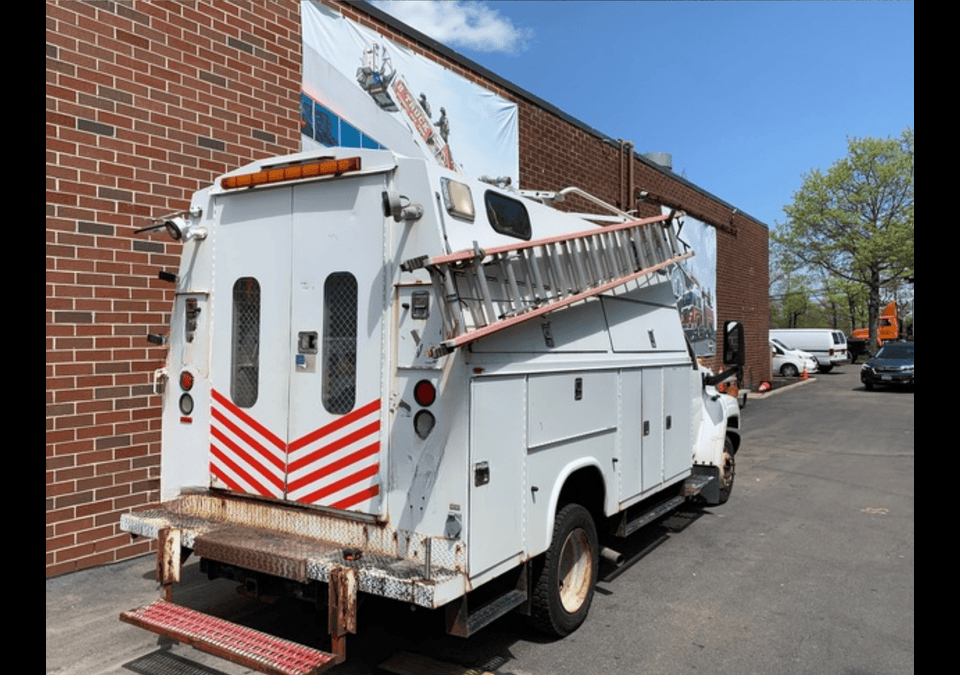
Ladder racks for Utility and Service Beds for Trucks
In the realm of commercial activity, utility and service beds for trucks—also referred to as utility and service truck bodies—are essential vehicles. These specialised organisations are created especially to assist with construction and maintenance tasks in vital industries including telecommunications, gas and water utilities, electric power lines, and building and machinery maintenance. Although the phrases “utility” and “service” beds are sometimes used interchangeably, there are some significant differences between the two: utility beds are mainly utilised for infrastructure projects like gas and electricity, whilst service beds are more focused on facility and machinery maintenance. A specially designed body that bolts directly to the truck chassis—a unique build that replaces any existing rear flatbed or box—is the fundamental feature that unites these vehicles.
Although there are some similarities between this design and KUV or enclosed bodies, there is a crucial operational distinction: workers and technicians approach the body completely from the outside rather than within. The whole design and functionality of these trucks are shaped by this accessibility need.
To maximize workplace and equipment organization, utility and service bed architecture is divided into three main zones. Enclosed compartments on the left and right sides have doors that open straight to the ground, making it simple to access tools, parts, or delicate equipment that needs to be protected from the elements and theft. Ideal for heavier or bulkier materials, there is a centrally located area between these flank compartments that may be accessed from the back at ground level or by descending a rear step.
For optimum versatility, these compartments can be covered with a strong metal rack or structure that serves as a roof. This simultaneously creates an upper loading platform and leaves the lower central space uncluttered. For moving lengthy objects like pipes, conduit, or ladders that just cannot fit inside compartments, this rack area is crucial. Steel and aluminum are the two main materials used to make the bodies themselves. Vehicle weight, handling, fuel economy, and total cost of ownership are all significantly impacted by this decision. For example, an aluminum utility body weighs about 1,500 to 1,700 pounds, while a steel utility body made for a Ford F-250 chassis usually weighs between 2,700 and 3,000 pounds.
Fuel economy is directly improved by the almost 1,200 pounds of weight savings. Steel truck bodies typically use 10 to 12% more fuel per mile than aluminum ones, which can add up to $4,500 to $5,000 in fuel costs over the course of 50,000 kilometers. Steel requires more frequent maintenance, such as repainting to prevent corrosion, which increases labor costs and downtime in addition to fuel expenses. Although aluminum is initially more costly—it usually commands a premium of 15 to 20%—it offers better corrosion resistance, a longer service life, and cheaper maintenance expenses.
The higher initial cost of aluminum bodies typically justifies itself for well-organized businesses in a matter of years, and this is best ascertained through thorough economic-financial assessments utilizing metrics like the payback period or net present value (NPV). Leading manufacturers of KUV and enclosed bodies have a large overlap with those of utility and service vehicle bodies. Established leaders include Knapheide, Altec, Reading Truck, Stahl, Summit, CM, Spartan, Morgan, Composite Truck Body, Supreme, SpaceKap, and Royal Truck Body, in addition to numerous local bespoke companies that create bodies specifically tailored to client specifications.
After outlining the vehicle’s components and structure, the conversation inevitably shifts to the ladder rack, a crucial attachment. The main parts that enable safe, effective ladder handling and transportation for these work vehicles are ladder racks for utility beds for trucks and ladder racks for service beds for trucks. Ladder rack installation choices often fall into two categories due to the arrangement of utility and service vehicle bodies: mounting on the metal roof rack above the central compartment or mounting on the side compartments. End-user preferences and operational limitations, which are communicated to the vehicle converter in charge of final outfitting, play a major role in the decision.
Ladders are positioned at a height of around 85 inches, or 7 feet 1 inch, when ladder racks are mounted on the lateral compartments. Although carrying large fiberglass ladders—which are preferred for electrical insulation and safety—becomes more difficult at this height, it is not immediately prohibitive. Lifting fiberglass ladders at shoulder height causes considerable physical strain because they frequently weigh more than 20 pounds. Frequent raising of these ladders, which can occasionally be more than 20 feet long, poses major risks to occupational safety. Excessive strain on the shoulders and back increases the risk of musculoskeletal problems and decreased productivity at work, particularly after several lifts each day.
On the other hand, ladder storage height is increased to around 100 inches, or 8 feet 4 inches, by placing ladder racks on the roof rack above the center open compartment. Ergonomic dangers are increased by this elevated posture, which makes managing long, heavy ladders by hand more difficult. This elevated position requires careful consideration of crew safety even if it reclaims important interior compartment space for other vital equipment or supplies. Fiberglass ladders that weigh 60 to 80 pounds over shoulder height need laborious lifting, which puts workers at risk for injury, especially if it is done repeatedly.
Operators frequently use particular strategies to make up for these handling challenges. They ascend the back access step, drop the rear end of the ladder and slide it diagonally along the roof rack before stepping down to fully remove the ladder from the vehicle or, when loading, pushing it onto the rack. This method generates biomechanical stress through torso twisting and uneven weight distribution, even though it eliminates the need to directly raise the entire ladder weight overhead. Without a balanced force distribution on both feet, workers’ spines are loaded asymmetrically. Over time, this movement pattern may result in chronic ailments or acute back pain. These procedures have a negative impact on productivity in addition to safety.
Moving large ladders requires energy that may be used for more valuable, central operations. Each worker experiences several wasted minutes every day as a result of these manual handling inefficiencies, which compound across teams and job sites. In the end, risk and downtime are directly increased by longer, heavier, and more frequent ladders. Therefore, it is imperative for modern utility and service bodies to incorporate efficient ladder racks that handle these issues.
The benefits of well-designed ladder racks for truck utility beds are comfort, convenience of use, and safety. Rated load capacity in pounds, ergonomic usefulness, compatibility with various truck models and ladder types—both extension and step ladders—presence or lack of hydraulic assistance, warranty coverage, and durability against rust or corrosion are important design factors that influence selection. since of their non-corrosive qualities, materials like stainless steel and anodized aluminum are favored since they require less upkeep and have a long service life. The G2000 Harrier and G2000 Maxi are two of the most technologically sophisticated and carefully designed ladder rack solutions.
Both have hydraulic assistance systems that can handle ladders up to 44 feet long and 132 pounds in weight, greatly lowering the amount of physical effort required of operators. They are perfect for long-term outdoor usage in different climate conditions since their structure, which is made entirely of anodized aluminum and stainless steel, prevents corrosion problems. When maintained in accordance with manufacturer standards, the racks’ dedication to corrosion resistance ensures that they continue to function and look good for well over ten years. By regulating ladder deployment speed and reducing manual lifting, hydraulic operation helps shield employees from overexertion accidents. This increases job safety, lessens shoulder and back strain, and raises productivity.
The G2000 Harrier and G2000 Maxi’s universal compatibility, adjustability to meet different vehicle roof heights, and ability to accommodate a variety of ladder sizes and kinds are appreciated by end users. Because the same racks are compatible with different vehicles, this flexibility increases resale value and adaptability when fleets update or replace chassis trucks. This universality and adaptability constitute a significant cost-saving factor for businesses who manage various fleets or anticipate future vehicle changes.
When ladder racks move smoothly from one truck to another, the expenses of new installation and downtime are greatly reduced. This implies that investing in high-quality ladder racks yields long-term benefits long after the initial purchase. In conclusion, ladder racks for utilities and service beds for trucks are essential parts that affect worker health and safety in harsh field situations in addition to operating efficiency. The selection of mounting—roof racks or side compartments—depends on striking a balance between ergonomic safety concerns and internal cargo space efficiency. Hydraulic ladder racks, like the G2000 Harrier and G2000 Maxi, are unquestionably the best at facilitating safe and effective ladder management when handling fiberglass ladders longer than 20 feet and heavier than 20 pounds.
Their universal design, significant load capacity, hydraulic assistance, and corrosion-resistant construction raised the bar for ladder racks on utility and service truck bodies. Installing these racks lowers energy consumption and downtime while protecting employees from back and shoulder problems. These ladder racks, when paired with the benefits of aluminum-bodied vehicles, are wise investments that drive fleet operations toward increased productivity, reduced total cost of ownership, and better adherence to workplace safety requirements. Adopting these cutting-edge ladder racks shows a dedication to worker well-being and operational excellence for contractors and utility providers working in the vital industries of infrastructure, telecommunications, and facilities management.
Strong, lightweight aluminum bodies and ergonomic, long-lasting ladder racks work together to enable teams to handle the demanding needs of their jobs with more assurance and efficiency, establishing the bar for professional commercial work trucks for years to come.
The G2000 Harrier and G2000 Maxi ladder racks are two excellent instances of these qualities. These hydraulic aid variants can easily support ladders up to 44 feet long and 132 pounds in weight. Completely made of stainless steel and anodized aluminum, rust and corrosion are not a problem, guaranteeing longevity well over ten years with regular maintenance as advised by the manufacturer. The G2000 ladder racks for utility and service trucks have several benefits, such as universal flexibility to match various vehicle roof heights, compatibility with a variety of ladder types and sizes, hydraulic systems that minimize manual exertion, and a lower risk of harm. Rack compatibility can be preserved even if the truck’s chassis is altered, greatly increasing fleet flexibility and cost-effectiveness.
Ladder racks that are hydraulic and resistant to corrosion, like the G2000 Harrier and G2000 Maxi, are a unique solution to the problems of ergonomic safety and operational effectiveness. For business fleets operating in harsh conditions, their versatility, robustness, and user-friendliness make them indispensable assets. These ladder racks are essential to sustainable fleet management when combined with the benefits of lightweight aluminum truck bodies, offering a strong financial and safety offer. Companies can advance operating capacities while maintaining the highest safety standards by implementing ladder racks that are tailored to the specific requirements of utility and service truck beds. In addition to supporting the long-term prosperity of companies that uphold the foundation of contemporary infrastructure and maintenance services, this dual benefit promotes greater employee well-being.
Economic Analysis of Ladder Rack Investment
Features
Hydraulic Assistance
Corrosion-Resistant Materials
All-purpose Adjustability
Up to 132 pounds of load capacity
Benefits
increases handling speed and decreases worker injuries
reduces the cost of lifecycle maintenance
Reusability across vehicle modifications
Reliability in accommodating long, heavy ladders
Impact on Total Cost of Ownership
Reduced missed workdays and quicker completion of tasks
lowers replacement costs and downtime
reduces the cost of purchase and installation over time
guarantees adherence to safety regulations, preventing claims
Ladder racks for truck utility beds and ladder racks for truck service beds are more than just add-ons; they are essential tools for cost containment, productivity, and safety. Proper selection guarantees that the trucks operate at their best for the duration of their service life while protecting workers from harm. It is based on the vehicle structure, operational needs, and ladder features. Ladder racks that are hydraulic and resistant to corrosion, like the G2000 Harrier and G2000 Maxi, are a unique solution to the problems of ergonomic safety and operational effectiveness. For business fleets operating in harsh conditions, their versatility, robustness, and user-friendliness make them indispensable assets. These ladder racks are essential to sustainable fleet management when combined with the benefits of lightweight aluminum truck bodies, offering a strong financial and safety offer. Companies can advance operating capacities while maintaining the highest safety standards by implementing ladder racks that are tailored to the specific requirements of utility and service truck beds. In addition to supporting the long-term prosperity of companies that uphold the foundation of contemporary infrastructure and maintenance services, this dual benefit promotes greater employee well-being.